
L-Shape Sofa: A Practical Guide to Comfort, Layout, and Everyday Living
An L-shape sofa is often seen as a modern design choice, but in real homes, its value goes far beyond appearance. For many households, it becomes the center of daily life—used for relaxing after work, hosting guests, watching movies, or even occasional sleeping. Choosing the right L-shape sofa requires more than liking a photo; it involves understanding space planning, seating behavior, comfort balance, and long-term usability.
This guide focuses on how L-shape sofas actually function in everyday living, what to consider before buying, and how different designs suit different homes.
What Is an L-Shape Sofa and Why It’s So Popular
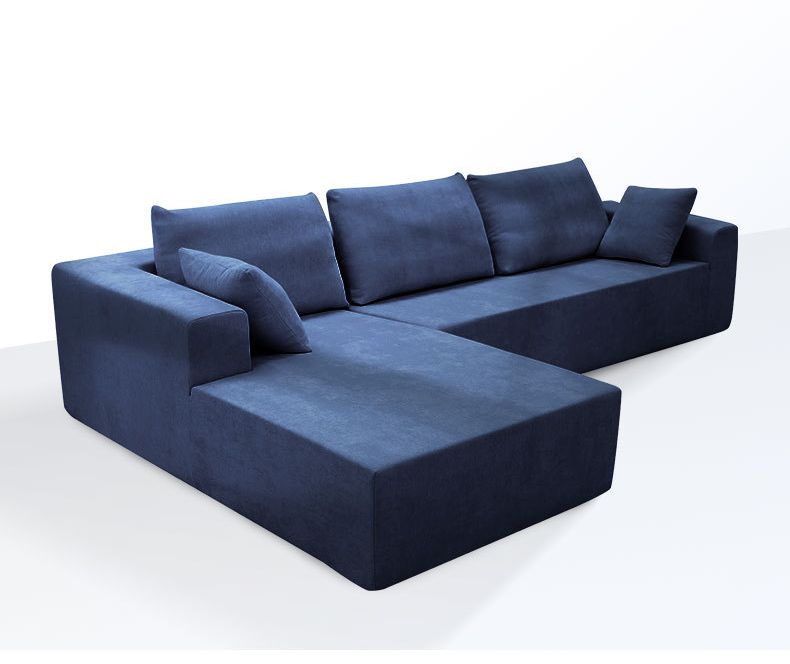
An L-shape sofa (also called a sectional sofa) consists of two connected seating sections forming a right angle. This configuration naturally defines a seating area without needing additional furniture.
One reason L-shape sofas are increasingly popular is their efficiency. In apartments or open-plan homes, they provide maximum seating while using corners that are often underutilized. Instead of adding extra chairs, one well-planned sectional can accommodate multiple people comfortably.
From experience, homeowners often realize after moving in that a straight sofa leaves unused space or feels disconnected from the room layout. An L-shape design tends to solve this by visually and physically anchoring the living area.
Understanding Layout: Left-Facing vs Right-Facing Sofas
One of the most common mistakes when buying an L-shape sofa is choosing the wrong orientation.
The “facing” direction is determined by standing in front of the sofa and looking at it:
Ø Left-facing: the extended chaise is on your left
Ø Right-facing: the extended chaise is on your right
This decision should be based entirely on room flow, not preference. Doorways, windows, TV position, and walking paths all matter.
Practical layout considerations
|
Room Factor |
Why It Matters |
|
Walkways |
The chaise should never block main walking paths |
|
Natural light |
Avoid placing the extended side where it blocks windows |
|
TV position |
The longer section often becomes the main viewing seat |
|
Door swing |
Doors opening into the chaise area reduce usability |
People often say, “We’ll make it work,” but after a few weeks, poor orientation becomes frustrating. Measuring and visualizing the sofa footprint on the floor before buying prevents this issue.
Comfort Is Not Just About Softness
Many buyers assume a comfortable sofa must be very soft. In reality, comfort depends on support + softness balance.
An L-shape sofa is used differently from a single chair. Some people sit upright, others lounge, and some lie down. The cushion structure needs to support all of these positions.
Key comfort elements
1. Seat depth: deeper seats are better for lounging but less ideal for upright sitting
2. Cushion filling: high-density foam offers structure; softer top layers improve comfort
3. Back support: overly low backs look modern but may cause fatigue over time
From long-term use feedback, many households prefer medium-firm seating that stays supportive after years, rather than sofas that feel great for the first few months but lose shape quickly.
Materials: Function Over Fashion
Material choice affects durability, maintenance, and daily comfort far more than style alone.
Common upholstery options compared
|
Material |
Advantages |
Considerations |
|
Fabric |
Breathable, cozy, wide color range |
Can absorb stains if untreated |
|
Leather |
Easy to clean, ages well |
Feels cold initially, higher cost |
|
Performance fabric |
Stain-resistant, pet-friendly |
Slightly firmer texture |
In family homes or pet-friendly spaces, performance fabrics tend to offer the best balance. Design-focused buyers may prefer textured fabrics or leather, but maintenance expectations should be realistic.
Space Planning: Size Matters More Than You Think
An L-shape sofa can visually overwhelm a room if proportions are off. Measuring only wall length is not enough.
Consider:
l Full sofa footprint (length × depth)
l Clearance space (minimum 60–80 cm for movement)
l Coffee table distance (ideally 40–50 cm)
A useful trick many interior designers use is marking the sofa outline on the floor with tape. This immediately shows whether the room will feel balanced or cramped.
Modular vs Fixed L-Shape Sofas
Not all L-shape sofas are built the same. Some are fixed units, while others are modular.
|
Type |
Best For |
Limitations |
|
Fixed L-shape |
Stable layout, clean look |
Cannot adapt to new spaces |
|
Modular sectional |
Flexibility, future moves |
Slightly more seams |
For renters or growing families, modular sofas often prove more practical over time. Fixed designs work well when the room layout is unlikely to change.
Everyday Use: How L-Shape Sofas Fit Real Life
Beyond aesthetics, an L-shape sofa often becomes the most used furniture piece in the home. People eat snacks on it, work on laptops, host guests, and relax for hours.
Real-world feedback shows that:
l Chaise sections become the most used seat
l Corner seats are often underused unless well-designed
l Removable cushion covers add long-term value
A sofa that looks good but discourages daily use quickly becomes a regret purchase.
Maintenance and Long-Term Durability
High-quality L-shape sofas are designed to last years, but maintenance still matters.
Basic care tips include:
l Rotating seat cushions regularly
l Vacuuming fabric seams
l Avoiding direct sunlight exposure
Frames made from solid wood or reinforced metal typically outperform lightweight constructions in long-term stability.
Final Thoughts: Choosing the Right L-Shape Sofa
An L-shape sofa is not just a design statement—it is a functional investment in daily comfort and space efficiency. The best choice comes from understanding your room layout, usage habits, and comfort expectations rather than following trends.
When selected thoughtfully, an L-shape sofa can transform a living space into a more social, comfortable, and visually balanced environment—one that genuinely supports how people live, not just how rooms are styled.
Share:


contact us
Your email address will not be published. Required fields are marked