
Artistic Sofa: When Furniture Becomes a Form of Expression
An artistic sofa is more than a place to sit. It reflects taste, spatial thinking, and how a home communicates personality. As interior design shifts toward individuality rather than uniform trends, artistic sofas have become central elements in modern living spaces. They blur the line between functional furniture and visual art, offering comfort while making a clear design statement.
Unlike standard seating designed to disappear into a room, an artistic sofa is meant to be noticed. Its value lies not only in how it feels but also in how it shapes atmosphere, movement, and visual balance.
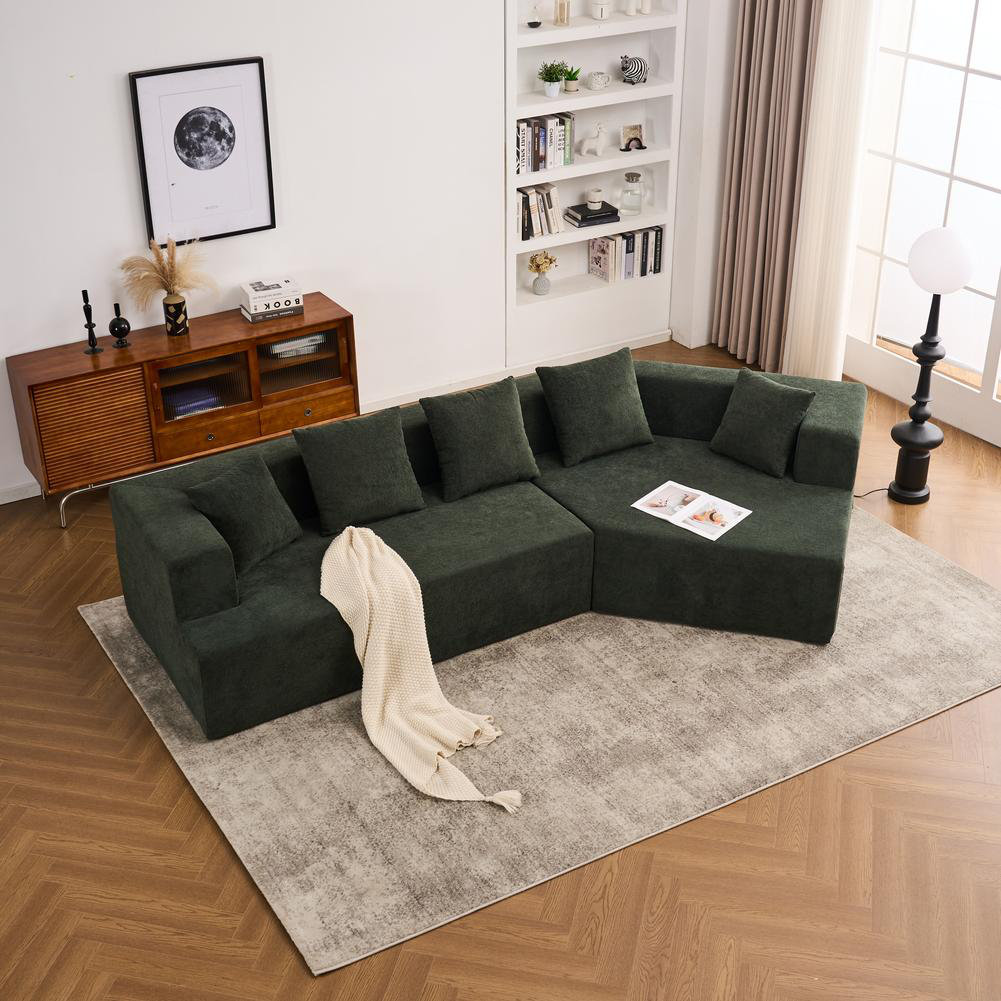
What Defines an Artistic Sofa?
An artistic sofa is not defined by one single style. Instead, it is characterized by intentional design choices that prioritize form, proportion, and material expression.
Several core elements usually set an artistic sofa apart:
1. Sculptural form: Curves, asymmetry, or bold geometry that create visual rhythm
2. Material contrast: Combining textures such as velvet with metal, leather with wood, or boucle with stone bases
3. Color intention: Thoughtful use of color as an emotional or spatial anchor
4. Craftsmanship: Visible seams, hand-finished details, or unique upholstery techniques
In practice, many designers describe an artistic sofa as “a piece you design the room around, not one you add at the end.”
The Difference Between Artistic and Decorative Sofas
It’s important to distinguish between sofas that are merely decorative and those that are genuinely artistic. Decorative sofas often rely on surface details—patterns, trendy colors, or embellishments. Artistic sofas, on the other hand, are driven by structure and concept.
Key Differences at a Glance
|
Aspect |
Decorative Sofa |
Artistic Sofa |
|
Design Focus |
Surface aesthetics |
Form, proportion, and concept |
|
Longevity |
Trend-dependent |
Timeless or collectible |
|
Visual Impact |
Complements the room |
Defines the room |
|
Material Use |
Standard upholstery |
Intentional material storytelling |
|
Emotional Effect |
Pleasant |
Expressive, memorable |
This difference matters for buyers seeking lasting value rather than short-term visual appeal.
Materials That Shape Artistic Expression
l Material selection plays a critical role in how an artistic sofa is perceived. Designers often use materials not only for comfort but for storytelling.
l Bouclé and textured fabrics create softness and depth, often associated with contemporary European interiors.
l Leather, when used minimally or paired with unexpected shapes, adds tension between tradition and modernity.
l Wood and metal frames can be intentionally exposed to highlight structure rather than hide it.
l Mixed materials allow contrast, which gives an artistic sofa its visual edge.
From experience, homes that incorporate one strong material statement often require fewer decorative elements overall—the sofa carries the visual weight.
Comfort vs. Art: Do You Have to Choose?
A common concern is whether an artistic sofa sacrifices comfort for appearance. In well-designed pieces, this trade-off doesn’t exist. Comfort is built into the geometry—seat depth, back angle, cushioning density—rather than added afterward.
That said, artistic sofas are often designed for intentional sitting, not slouching. They encourage posture, conversation, and presence. This makes them ideal for living rooms meant for hosting or reflection rather than casual lounging.
When evaluating comfort, it helps to ask:
1. Is the seat depth aligned with how the sofa will be used?
2. Does the back support invite upright sitting or relaxed leaning?
3. Is the cushioning resilient rather than overly soft?
How an Artistic Sofa Transforms a Space
The impact of an artistic sofa goes beyond its physical footprint. It influences how people move through a room and where attention naturally settles.
In minimalist spaces, an artistic sofa provides a focal point without clutter. In eclectic interiors, it acts as a grounding element that organizes diverse design pieces. Designers often place artistic sofas centrally rather than against walls to emphasize their sculptural quality.
Many homeowners notice that once an artistic sofa is introduced, other furniture choices become simpler and more deliberate.
Choosing the Right Artistic Sofa for Your Home
Selecting an artistic sofa requires balancing aesthetics with spatial logic. Here are practical considerations that experienced buyers tend to prioritize:
Room Proportion
A bold form needs breathing space. In smaller rooms, low-profile or curved designs prevent visual heaviness.
Color Harmony
Neutral artistic sofas rely on texture and shape, while bold-colored pieces demand restraint elsewhere in the room.
Lighting Interaction
Natural and directional lighting enhances sculptural shadows and highlights material depth.
Usage Pattern
Artistic sofas work best in spaces meant for conversation, reception, or visual impact rather than everyday TV lounging.
Common Design Styles That Feature Artistic Sofas
Artistic sofas appear across multiple interior styles, each emphasizing different aspects:
- l Modern Minimalism: Clean lines, muted tones, strong silhouettes
- l Mid-Century Modern: Organic curves, wood accents, balanced proportions
- l Contemporary European: Soft geometry, textured fabrics, neutral palettes
- l Avant-Garde Interiors: Experimental forms, unconventional materials
Understanding your broader design context ensures the sofa enhances rather than competes with the space.
Longevity and Value: More Than a Trend
An artistic sofa is often seen as a long-term investment. Its value lies in design integrity rather than novelty. Well-made artistic sofas age gracefully, developing character rather than looking outdated.
Collectors and design-conscious homeowners frequently choose artistic sofas not for mass appeal but for personal resonance. This emotional connection is what gives artistic furniture lasting relevance.
Final Thoughts
An artistic sofa represents a shift in how furniture is perceived—from functional necessity to expressive design. It invites users to think differently about comfort, space, and personal style. Whether placed in a modern apartment, a creative studio, or a thoughtfully curated home, an artistic sofa has the power to define the atmosphere of a room without overwhelming it.
Choosing one is less about following trends and more about understanding how design communicates identity. When form, material, and function align, an artistic sofa becomes not just furniture—but a living statement.
Share:


contact us
Your email address will not be published. Required fields are marked